
Just returned from an eight day cruise through the countryside of Switzerland, France, Germany and The Netherlands on the Rhine River. While I normally don’t drink wines from Germany and the Alsace Region of France, I found them to be a refreshing change of pace.
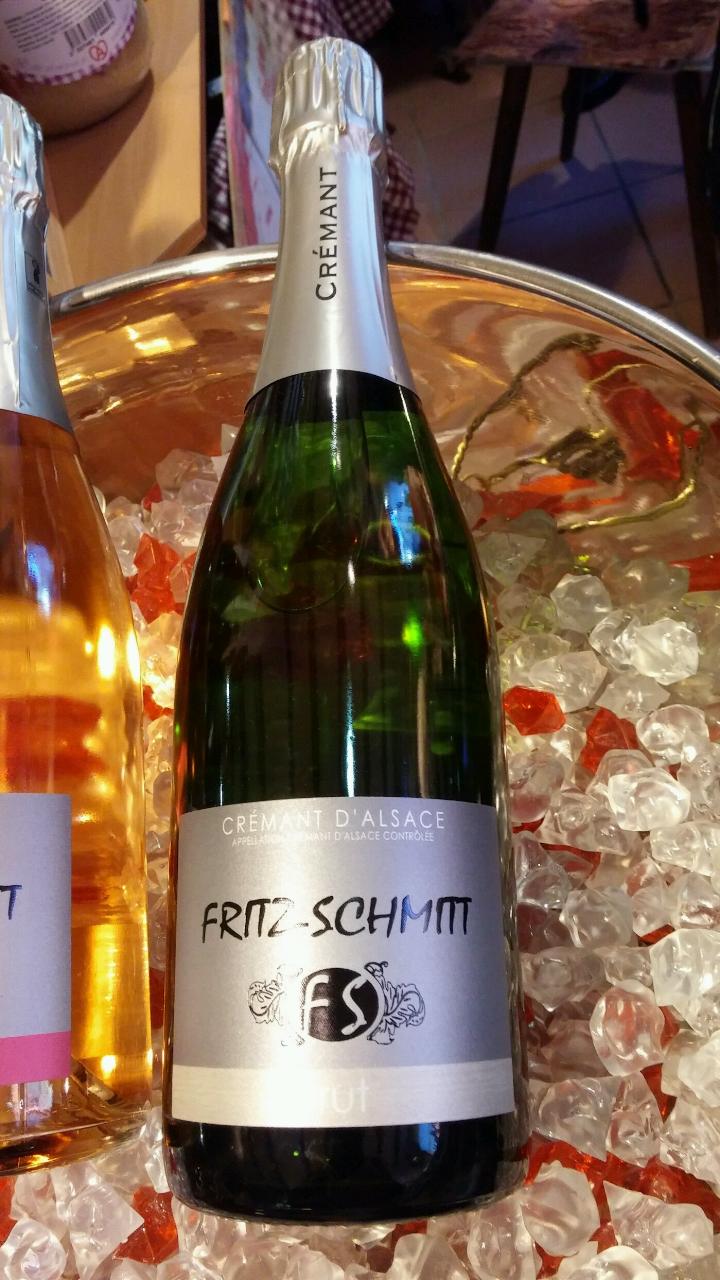
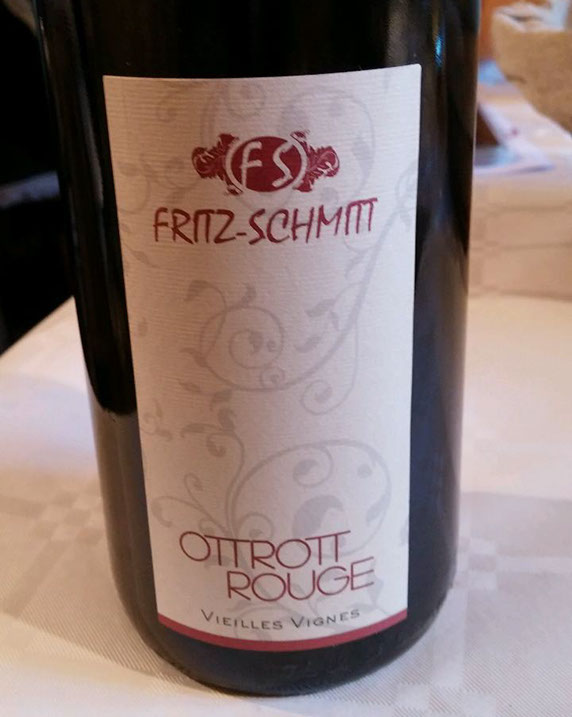
Our pursuit of wines began in Strasbourg, France which is situated on the border of France and Germany and is the capital of the Alsace Region. We spent the afternoon at the Fritz-Schmitt wine estate, a small sustainable winery in the hills outside Strasbourg. The focus at Fritz-Schmitt is on sparkling wine (Cremant d’Alsace Brut), Gewurztraminer (Gewurztraminer Affenberg) and Pinot Noir (Rouge d’Ottrott Vieilles Vigne). The sparkling wine was a 50/50 blend of Chardonnay and Pinot Noir grapes with the average age of the vines being 15 years. The Gewurztraminer was produced from 25 year old vines and had typical floral aromas you would associate with the Gewurztraminer grape. The Pinot Noir was produced from 40 year old vines and was aged in oak barrels, similar to California Pinot Noir.
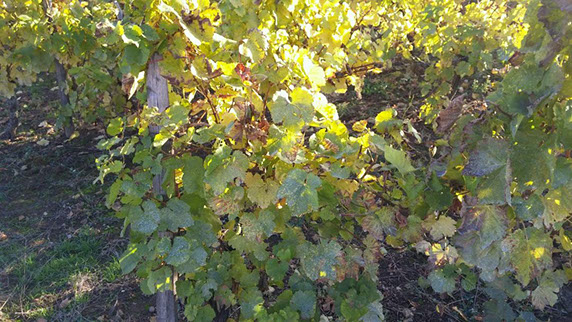
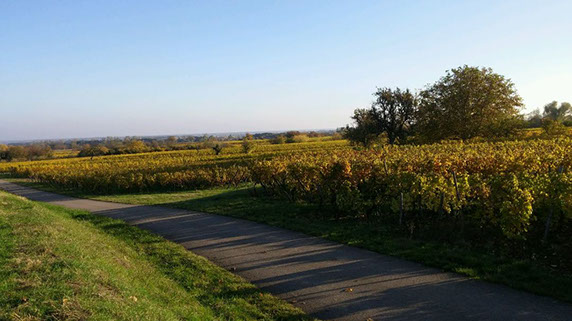

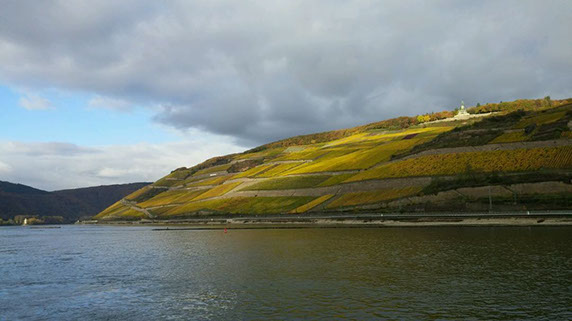
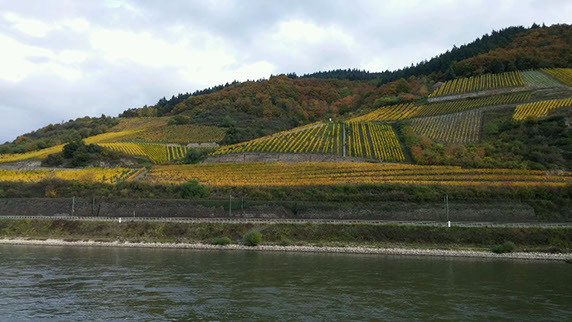
As we cruised through Germany the vineyards along both sides of the Rhine River were spectacular. It’s hard to believe the wineries can maintain vineyards on the steep slopes of the mountains.


Our next stop was Mainz which is at the confluence of the Rhine and Main Rivers. Mainz is Germany’s largest and most important wine market. As we walked the cobblestone streets of Mainz we stopped and tasted various German white wines (Riesling, Pinot Noir and Gewurztraminer) for which the area is known. The 2015 Schloss Johannisberger Riesling, a relatively dry riesling, was outstanding and could be served with many foods.

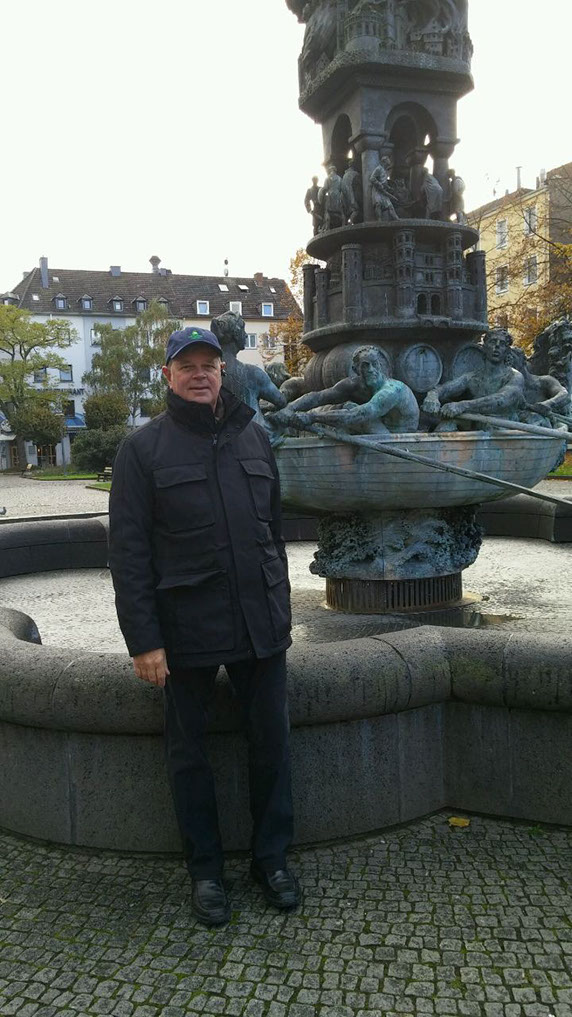
As our trip continued through Rudesheim, Koblenz and Cologne it was interesting to see the various depictions of “wine” in various statues and landmarks throughout the cities. I particularly enjoyed a piece of art which provided directions to all the great wine capitals throughout the world (Bordeaux in France, Porto in Portugal, Napa Valley in California, Adelaide in Australia, Valparaiso in Chile, Mendoza in Argentina, Bilbao in Spain and Kapstadt in South Africa). There also was a granite statue with five levels. Each level represented a century in the evolution of Koblenz. The bottom level was Roman sailors in a boat with wine barrels!

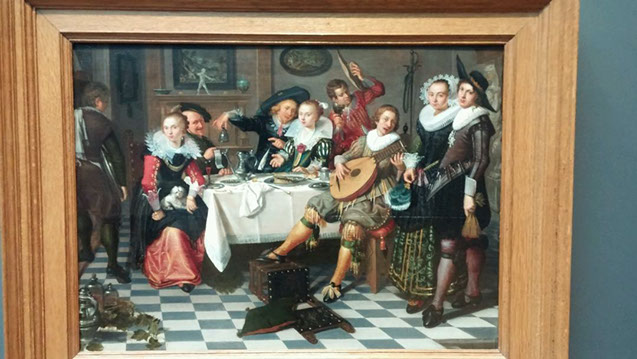
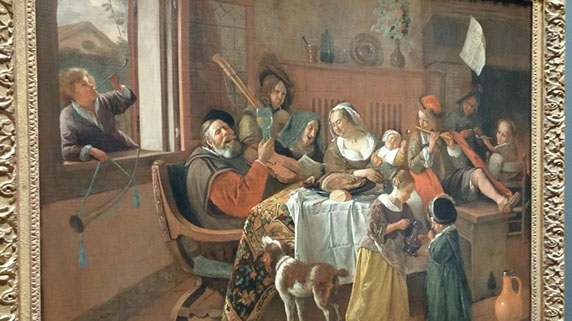
Our final stop was in Amsterdam where we spent two days touring the Rijksmuseum and Van Gogh Museum. It was interesting to see how wine was represented in many of the works. My two favorites were Isack Elyas’s painting titled, “Merry Company” and Jan Havicksz’s painting titled, “The Merry Family”. In the “Merry Company”, the figures around the table allude to the Five Senses. The woman with the lapdog represents Smell; the man with the piece of paper is Sight; the singing couple are Touch; the red-coated man with the glass of wine is Taste; and the lute-player is Hearing. In “Merry Family”, the boisterous family is making a lot of noise: the father sings at the top of his lungs while raising a glass; the mother and grandmother chime in; and the children are either blowing into a wind instrument or smoking a long pipe. The note hanging from the mantelpiece gives away the moral of the story: “As the old sing, so shall the young twitter.” What will become of the children if their parents set the wrong example? I guess that’s why my children all drink wine and enjoy going to the horse races!

On to the next great wine capital!