
With the start of the 40 day racing Meet here in Saratoga Springs, I thought it would be interesting to gain a perspective on thoroughbred racing from the three New York Racing Association (NYRA) Stewards who are responsible for “upholding the integrity of racing in New York State”. Stewards are appointed by the New York State Gaming Commission and move between Aqueduct Racetrack (New York, NY), Belmont Racetrack (New York, NY) and Saratoga Racecourse (Saratoga Springs, NY) as racing moves between the tracks during the calendar year.

The three NYRA Stewards are Braulio Baeza Jr., Stephen Lewandowski and Jim Edwards. Baeza is employed by NYRA, Lewandowski by The New York State Gaming Commission and Edwards by the Thoroughbred Jockey Club. Together, they perform a myriad of roles before the start of racing each day, during live racing and after racing each day. Because racing is “gaming”, many of the stewards responsibilities involve “protecting the betting public”.
The New York State Gaming Commission looks for various qualifications when seeking Stewards. Among the qualifications are “attending an accredited school or program” as well as “satisfactorily passing an optical exam within one year prior to approval as a Steward and evidencing corrected 20/20 vision and ability to distinguish colors correctly”!
Prior to racing each day, Stewards are focused on administrative matters. These include reviewing requests from trainers to “scratch” (not race) horses entered to race that day, reviewing recommendations from State appointed veterinarians on horses they believe are unfit to race due to medical concerns, race horse owner and jockey licensing and racing silks (worn by jockeys during race) registration.
During “live” racing, Stewards perform roles that you would be most familiar with if you have attended the races. These roles include initiating inquiries when the Stewards believe a foul has occurred during a race, reviewing objections lodged by jockeys at the completion of a race when a jockey believes a foul occurred, notifying the track announcer when an inquiry or objection has been lodged so the announcer can inform the betting public, reviewing and finalizing photo finishes of races before they are made “official”. Now you know why 20/20 vision is so important!
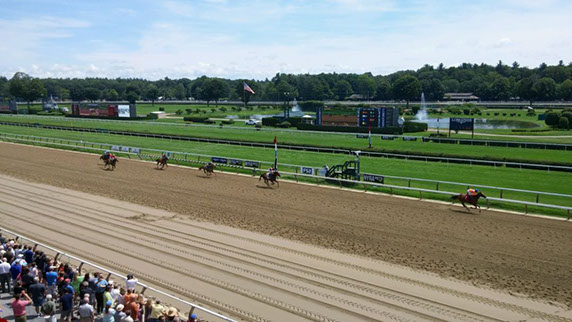
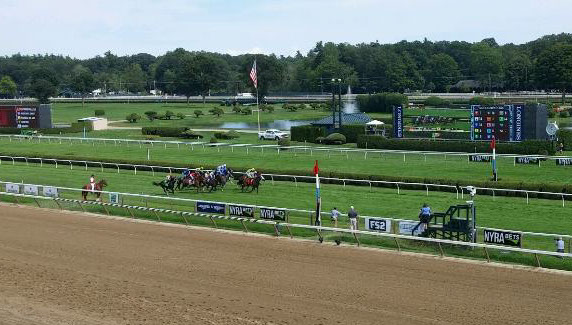

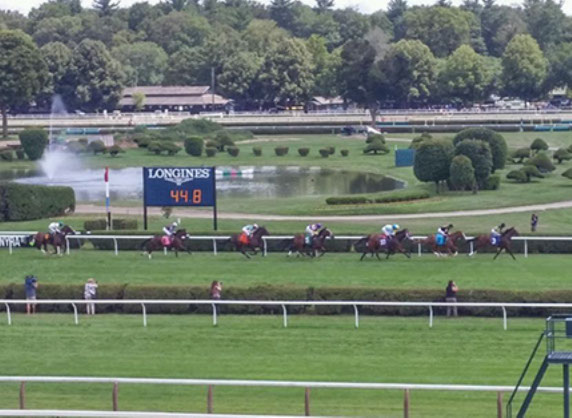
At the conclusion of racing, Stewards review actions they took during “live” racing and make the actions available on the New York State Gaming Commission’s website for anyone who wants to understand a ruling they made. By making this information available, the Commission believes their is greater “transparency” for the betting public. A typical work day for a Steward is 12+ hours focused on “protecting the horses, jockeys and betting public”.
While I may not always agree with a decision made by the Stewards, I now have a better understanding of the role they play regarding thoroughbred racing oversight and regulation.